

Welcome to the PayMasters Safety resources page. Each topic is comprised of a variety of assets to help you customize your training sessions. Safety training videos, training sign in sheets (to document your training sessions), quizes and answer sheets, handouts, 5 minute talks and other learning activities will help you keep employees engaged in the learning process.

Aerial lifts are vehicle-mounted devices, telescoping or articulating, or both, which are used to position personnel. Equipment used incorrectly has potential to cause serious harm or death to employees. Employers must ensure employees are trained to recognize and understand hazards associated with unsafe use of equipment. This includes aerial ladders, extensible boom platforms, articulating boom platforms, vertical towers, or any combination of these. Aerial lifts do not include manlifts, scissor lifts, forklifts, or firefighting equipment.
Aerial devices must be designed and constructed in conformance with the American National Standard for “Vehicle Mounted Elevating and Rotating Work Platforms,” ANSI A92.2 - 1969, including the appendix.
Who: OSHA’s General Industry regulations only address aerial lifts that are vehicle-mounted with an elevating and rotating platform.
When: Training for operators is done upon assignment and in accordance with the manufacturer’s recommendations for instruction, operation, and maintenance outlined in the operator’s manual for each lift.
 Aerial Lifts Handout - Identifying Hazards (PDF)
Aerial Lifts Handout - Operation, Maintenance, and Inspection (PDF)
Aerial Lifts 5-Minute Talk - Identifying Hazards (PDF)
Aerial Lifts 5-Minute Talk - Operation, Maintenance, and Inspection (PDF)
Aerial Lifts 5-Minute Talk - Personal Fall Protection Equipment (PDF)
 Aerial Lifts Quiz - Answer Key (PDF)
The following regulations pertain to this topic:
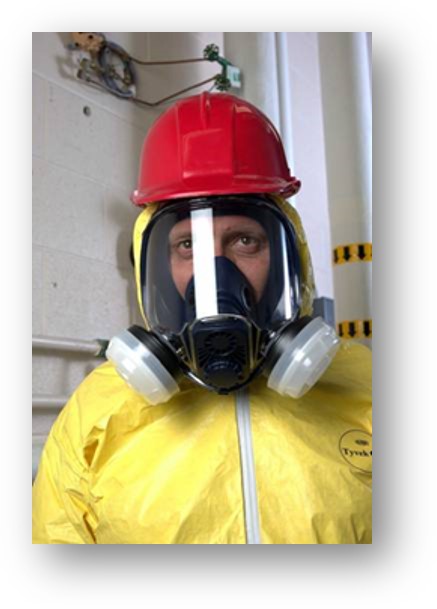
Toxic and hazardous air contaminants can be introduced into the workplace when toxic and hazardous chemicals are handled, processed, or used. Some air contaminants are created as byproducts of a process. OSHA has set limits on how much of certain air contaminants employees can be exposed to while they work. This training outline will familiarize you with several types of air contaminants, the various types of exposure limits outlined in OSHA’s standard, and ways that employers can meet the standard’s requirements.
Applies to: OSHA’s Air Contaminants standard applies to all general industry employers. An employee’s exposure to any substance listed in the tables of 29 CFR 1910.1000 is to be limited in accordance with the standard's requirements. The standard does not include any training requirements, but this training program can be used to familiarize employees with OSHA’s requirements.
When: It would be a good practice to provide training at the time of initial assignment to a job where employees may be exposed to air contaminants.
Training records: No specific training documentation is required.
Air Contaminants Handout (PDF)
Air Contaminants 5-Minute Talk - Air Permits (PDF)
Air Contaminants 5-Minute Talk - Overview (PDF)
Air Contaminants Scenario (PDF)
Air Contaminants Scenario - Answer Key (PDF)
Air Contaminants Quiz - Answer Key (PDF)
The following regulations pertain to this topic:

The term asbestos describes six naturally occurring fibrous minerals found in certain types of rock formations. Asbestos became a popular commercial product because it is strong, won't burn, resists corrosion, and insulates well. In the United States, its commercial use began in the early 1900's and peaked in the period from World War II into the 1970's.
When mined and processed, asbestos is typically separated into very thin fibers, and these fibers can create serious health problems. If inhaled, they can cause diseases which disrupt the normal functioning of the lungs. Intact and undisturbed, asbestos materials do not pose a health risk; however, asbestos materials can become hazardous when, due to damage, disturbance, or deterioration over time, they release fibers into the air.
The largest group of asbestos-exposed workers include those involved in brake and clutch repair, although most of these workers are exposed sporadically and at low levels. Next largest are custodial workers who clean surfaces, sweep, buff, and vacuum floors, and wash windows and walls in manufacturing plants and public or commercial buildings.
Asbestos Awareness Handout - Fact Sheet (PDF)
Asbestos Awareness Handout - Overview (PDF)
Asbestos Awareness Handout - Overview for Construction (PDF)
Asbestos Awareness Handout - EPA Requirements for Construction (PDF)
Asbestos Awareness Handout - Understand the Hazards (PDF)
Asbestos Awareness 5-Minute Talk - Overview (PDF)
Asbestos Awareness 5-Minute Talk - Overview (additional) (PDF)
Asbestos Awareness 5-Minute Talk - Asbestos Abatement Projects (PDF)
Asbestos Awareness 5-Minute Talk - Asbestos Containing Materials in Schools (PDF)
Asbestos Awareness 5-Minute Talk - EPA Requirements for Construction (PDF)
Asbestos Awareness Quiz - Answer Key (PDF)
The following regulations pertain to this topic:

Although back problems are among the most common types of pain and disability, most of these problems are completely preventable through the use of proper lifting techniques.
There are a wide variety of injuries that can happen to the back. Some injuries are serious enough to require surgery. Some injuries lead to permanent disability. Any back injury can limit all of your activities, both on and off of the job. By using the correct lifting posture, you can avoid back injury.
Applies to: Proper lifting techniques apply to all employers that require employees to lift as part of their job function.
How Susceptible are you to a Back Injury Excercise (PDF)
NIOSH Lifing Equation Handout (PDF)
 Lift Smarter Poster Poster (JPEG)
Prevent Common Back Problems Poster (JPEG)
Reduce Your Risk of Back Injury Poster (JPEG)
Use Your Back Wisely Poster (JPEG)
Back Safety Quiz Answer Key (PDF)
Lifting Hazards Exercise (PDF)
Lifting Hazards Exercise Answer Key (PDF)
The following regulations pertain to this topic:

Behavior-based safety is a proactive approach to safety and health management, but there is more to it than that. People really do care about their own health and safety. Safety is really a process, and that means it’s continuous. To reduce work-related injuries, and continue to reduce them, thinking and doing safety must become a way of life. Safety should be involved in daily activities consistent with the vision of a Total Safety Culture. Behavior-based safety recognizes unsafe or at-risk behaviors as a frequent cause of both minor and serious injuries. Most people believe that if a training or intervention process attempts to change behavior, the approach is behavior-based safety; however, there are distinguishing elements between behavior-based and other approaches. The aim of the behavior-based approach is to reduce the occurrence of at-risk behavior by modifying such behaviors through observation, feedback, and positive interventions. Ultimately, safer work habits will evolve
Applies to: OSHA does not regulate behavior-based safety programs. This training program provides an overview of behavior-based safety. There are no training requirements, but this training program can be used to familiarize employees with your behavior-based safety process.
When: It would be a good practice to provide training at the time of initial assignment to a job where a behavior-based safety process is in use.
Training Records: No specific training documentation is required.
Behavior Based Safety 5 Minute Talk - Overview (PDF)
Behavior Based Safety 5 Minute Talk - Conducting a Behavior Observation (PDF)
Behavior Based Safety Handout - Overview (PDF)
Behavior Based Safety Handout - Activators/Behaviors Consequences (PDF)
Behavior Based Safety - Safe Behaviors at Work Handout (PDF)
Behavior based Safety Training Sign In Sheet (PDF)
Behavior Based Safety Quiz (PDF)
Behavior Based Safety Quiz - Answer Key (PDF)
Although OSHA does not address specific regulations for behavior based safety, the agency requires that all employers furnish to of his employees employment and a place of employment which are free from recognized hazards that are causing or are likely to cause death or serious physical harm to his employees per their General Duty Clause, Section 5(a)(1).

We’re all familiar with the threats posed by diseases such as AIDS and hepatitis B that are transmitted through blood and other potentially infectious materials. However, do you understand the risk of exposure when it comes to rendering first aid? What about the risk involved with cleaning up blood spills or handling laundry? How about performing repairs on pipes and drains in a healthcare facility or caring for children?
For working conditions where it is reasonably anticipated that there will be exposure to blood or other potentially infectious materials due to the job duties that must be performed, employers are required to have an exposure control plan in place. This plan encompasses universal precautions, engineering and work practice controls, personal protective equipment, hepatitis B vaccination, post-exposure evaluation and follow-up, communication of hazards, training, and more.But what about for employees who are not occupationally exposed nor expected to render assistance as part of your job, yet come to the aid of a co-worker who has been injured on the job? Although these employees would be considered Good Samaritans and are not required to have the training under OSHA’s Bloodborne Pathogens Standard, they should be aware of the risks and take the proper precautionary measures to ensure protection.
Applies to: All employees with occupational exposure to bloodborne pathogens need training in OSHA’s requirements and the employer’s exposure control plan. For example, this might include first aid responders, emergency response team members, employees assigned to clean contaminated equipment or surfaces after an injury, or health care workers. This training program can be used to provide all employees with general information on OSHA’s requirements.
When: Employees must be trained prior to initial exposure to blood or other infectious materials and at least annually thereafter. Additional training is required when changes such as modification of tasks or procedures or institution of new tasks or procedures affect the employee's occupational exposure (the additional training may be limited to addressing the new exposures created).
Bloodborne Pathogens Handout - Overview (PDF)
Bloodborne Pathogens Handout - Safe Response (PDF)
Bloodborne Pathogens Handout - Latex Allergy (PDF)
Bloodborne Pathogens 5-Minute Talk - Overview (PDF)
Bloodborne Pathogens 5-Minute Talk - A Facility Tour (PDF)
Bloodborne Pathogens 5-Minute Talk - Protect Yourself (PDF)
Bloodborne Pathogens Respond to Injured Worker Demonstration (PDF)
Bloodborne Pathogens General Training Scenario (PDF)
Bloodborne Pathogens General Training Scenario - Answer Key (PDF)
Bloodborne Pathogens Quiz (PDF)
Bloodborne Pathogens Quiz - Answer Key (PDF)
The following regulations are related to this topic:

Carbon monoxide is an odorless, colorless gas that can cause sudden illness and death. This "invisible killer" is produced by burning fuel in cars or trucks, small engines, stoves, lanterns, grills, fireplaces, gas ranges, portable generators or furnaces. When the gas builds up in enclosed spaces, people or animals who breathe it can be poisoned.
Trucking and Carbon Monoxide Handout (PDF)
OSHA Carbon Monoxide Fact Sheet (PDF)
OSHA Carbon Monoxide Quick Card (PDF)
Carbon Monoxide Training Sign In Sheet (PDF)
The following regulations are related to this topic

Any combustible material can burn rapidly when in a finely divided form. If such a dust is suspended in air in the right concentration, under certain conditions, it can become explosive. Even materials that do not burn in larger pieces (such as aluminum or iron), given the proper conditions, can be explosible in dust form.
Applies to: Facilities likely to produce fine wood dust.
Combustible Dust Handout (PDF)
The following regulations are related to this topic:

Compressed gases are used in every aspect of our lives. They used to keep our food cold, to anesthetize us for surgery, to provide oxygen to emphysema patients, to grill our food, to manufacture products, and to heat rooms. Compressed gases can be very safe, but if you do not handle, store, or use them properly, they can be deadly. This training session discusses what a compressed gas is, what a cryogenic liquid is, how to handle and store a compressed gas, and what are the hazards of both compressed gases and cryogenic liquids.
Applies to: Under the requirements of the Hazard Communication standard (1910.1200), employers must train all workers who have an exposure or a potential for exposure to hazardous chemicals. Employees who handle compressed gas cylinders and equipment need training in the hazards associated with these operations.
Compressed Gases Overview Handout (PDF)
Compressed Gases Scenario (PDF)
Compressed Gases Scenario - Answers (PDF)
Compressed Gases Five Minute Talk (PDF)
Compressed Gases Safety Sign-In Sheet (PDF)
Compressed Gases Quiz - Answers (PDF)
The following regulations pertain to this topic:

Construction jobsites are hazardous, but they don't have to be dangerous. Training is the key. You are required to train your employees to recognize and avoid unsafe conditions at your jobsites. They must also be familiar with the OSHA regulations that apply to the task they are doing. Concrete and masonry construction work has its own set of OSHA requirements. You need to ensure that your employees, while working with concrete and masonry products, are trained and are familiar with those requirements.
Who: OSHA’s concrete and masonry construction rules are found in 29 CFR Part 1926 Subpart Q (1926.700 to 1926.706) The rules set forth requirements construction employers must comply with to protect construction workers from accidents and injuries resulting from the premature removal of formwork, the failure to brace masonry walls, the failure to support precast panels, the inadvertent operation of equipment, and the failure to guard reinforcing steel. While there are no specific training requirements in Subpart Q, under 1926.20 and 1926.21 employers may permit only those employees qualified by training or experience to operate equipment and machinery, and contractors must instruct each employee about the applicable regulations and to recognize and avoid unsafe conditions to control or eliminate any hazards or other exposure to illness or injury.
When: No training time is specified.
Concrete and Masonry for Construction How to Approach (PDF)
Concrete and Masonry for Construction Handout (PDF)
Concrete and Masonry for Construction 5-Minute Talk: Overview (PDF)
Concrete and Masonry for Construction Scenario (PDF)
Concrete and Masonry for Construction Scenario Answer Key (PDF)
Concrete and Masonry for Construction Quiz (PDF)
Concrete and Masonry for Construction Quiz - Answer Key (PDF)
The following regulations are related to this topic:
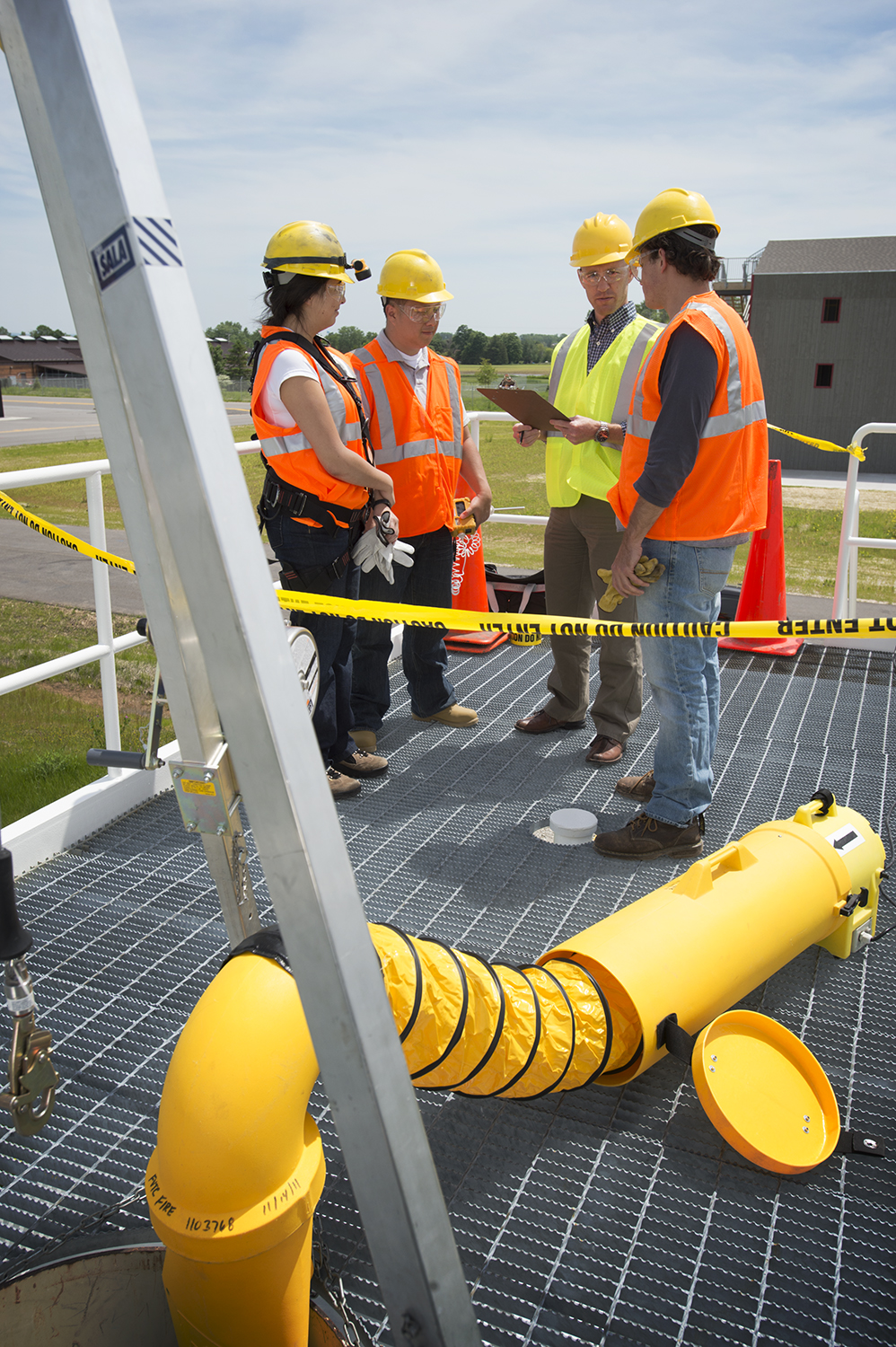
Performing regular maintenance activities and unexpected repairs in permit-required confined spaces can quickly become life or death situations for many authorized entrants. Therefore, it is critical that employers have practices and procedures in place to ensure employee safety, including designated people who have active roles in entry operations.
Applies to: When employers will have employees enter permit spaces, a written permit entry program must be developed and implemented. Employers must provide procedures, equipment, and training. Training is required for persons designated as having active roles in entry operations. This training program is targeted to employees who supervise permit-required confined space entries, employees who act as attendants to entry procedures, and employees authorized to enter permit-required confined spaces.
When: Employers must train affected employees before initial assignment, before a change in duties, whenever there is a change in permit space operations that presents a hazard about which an employee has not previously been trained, or whenever the employer has reason to believe either that there are deviations from the permit space entry procedures required or that the employee’s knowledge of these procedures is inadequate. Employee rescue service personnel must make practice rescues at least once every 12 months.
Confined Spaces in Construction 5 Minute Talk - Overview (PDF)
Confined Spaces in Construction Overview Handout (PDF)
Confined Spaces in Construction 5 Minute Talk - Air Monitoring (PDF)
Confined Spaces in Construction Air Monitoring Handout (PDF)
Confined Spaces in Construction 5 Minute Talk - Attendants (PDF)
Confined Spaces in Construction 5 Minute Talk - Authoirzed Extrant (PDF)
Confined Spaces in Construction 5 Minute Talk Entry Supervisors (PDF)
Confined Spaces in Construction 5 Minute Talk Entry-Exit (PDF)
Confined Spaces in Construction Exit/Entry Preparations Handout (PDF)
Confined Spaces in Construction 5 Minute Talk - Hazardous Atmospheres (PDF)
Confined Spaces in Construction Hazardous Atmospheres Handout (PDF)
Confined Spaces in Construction 5 Minute Talk - Hazards for Construction (PDF)
Confined Spaces in Construction Hazards Handout (PDF)
Confined Spaces in Construction 5 Minute Talk - Rescue (PDF)
Confined Spaces in Construction Entry Resuce Handout - (PDF)
Confined Spaces in Construction Working in Permit Spaces Handout (PDF)
Confined Spaces in Construction Exercise - Dos and Donts (PDF)
Confined Spaces in Construction Exercise - Dos and Donts Answer Key (PDF)
Confined Spaces in Construction Scenario - Attendants (PDF)
Confined Spaces in Construction Senario - Attendants Answer Key (PDF)
Confined Spaces in Construction Quiz (PDF)
Confined Spaces in Construction Quiz - Answer Key (PDF)
Confined Spaces in Construction Safety Training Sign in Sheet (PDF)
The following regulations pertain to this topic:

Cranes move materials and products through facilities, yards, and staging areas. Examples of cranes are mobile, gantry, overhead, crawler locomotive, and derricks. Operators should be trained in the operation, limitations, and emergency procedures for the cranes they operate. They should understand the load ratings and how to lift loads properly.
Applies to: Only designated personnel shall be permitted to operate a crane. These employees should receive adequate training to operate the equipment. Crane operators shall be familiar with the operation and care of provided portable fire extinguishers. Also, a designated person is required to be in charge of operations when two or more cranes are used to lift a load and before traveling a crane with load.
When: Training is to be provided prior to or at the time of initial assignment.
Cranes Mobile and Overhead Handout (PDF)
Cranes for General Industry Safety Tip Cards (PDF)
Cranes for General Industry Five Minute Talk (PDF)
Mobile Crane Inspections Demonstration (PDF)
Cranes for General Industry Scenario (PDF)
Cranes for General Industry Scenario (PDF)
Cranes for General Industry Training Sign In Sheet (PDF)
Cranes for General Industry Quiz (PDF)
Cranes for General Industry Quiz - Answers (PDF)
The following regulations are related to this topic:

OSHA’s general industry respirable crystalline silica requirements apply to all workers who may be subject to occupational exposure to crystalline silica in general industry work, where the employer has objective data demonstrating that employee exposure to respirable crystalline silica will remain below 25 micrograms per cubic meter of air (25 µg/m3) as an 8-hour time-weighted average (TWA) under any foreseeable conditions.
In general industry, there are about 300,000 workers exposed to silica in high risk jobs such as brick and pottery manufacturing, abrasive blasting, foundry work, stonecutting, rock drilling, and quarry work.
Crystalline silica is a common mineral that is used:
In the manufacture of glass and ceramics
To form molds for metal castings in the foundry
In abrasive blasting operations
As a filler in plastics, rubber, and paint
As an abrasive in soaps and scouring cleansers
To manufacture artificial stone products
In hydraulic fracturing for oil and gas recovery
Workers who inhale very small crystalline silica particles are at increased risk of developing serious—and often deadly—silica-related diseases. These tiny particles (known as “respirable” particles) can penetrate deep into workers' lungs and cause silicosis, an incurable and sometimes fatal lung disease. Crystalline silica exposure also puts workers at risk for developing lung cancer, other potentially debilitating respiratory diseases such as chronic obstructive pulmonary disease, and kidney disease.
Crystalline Silica Employee Information & Training 5 Minute Talk (PDF)
Crystalline Silica Exposure Assessment 5 Minute Talk (PDF)
Crystalline Silica Exposure Assessment: Performance Option 5 Minute Talk (PDF)
Crystalline Silica Exposure Assessment: Scheduled Monitoring Option 5 Minute Talk (PDF)
Crystalline Silica Compliance Methods: Engineering & Work Practice Controls 5 Minute Talk (PDF)
Crystalline Silica Compliance Methods: Written Exposure Control Plan 5 Minute Talk (PDF)
Crystalline Silica Houskeeping 5 Minute Talk (PDF)
Crystalline Silica Quiz Answer Key (PDF)
The following regulations are related to this topic:

When working in operations which involve open tanks, splashing of the substances in the tanks can occur. As result, you need to protect yourself from this hazard. First, you need to know what the hazards are. Second, you need to know what type of protection to wear. Third, you need information on the emergency procedures.
Applies to: This rule applies when you use a dip tank containing a liquid other than water. It applies when you use the liquid in the tank or its vapor to clean an object, coat an object, alter the surface of an object, or change the character of an object. This rule also applies to the draining or dying of an object you have dipped or coated. Employees working in and around open-surface tank operations must know appropriate first aid procedures.
Under the requirements of the Hazard Communication standard (1910.1200), employers must train all workers who have an exposure or a potential for exposure to hazardous chemicals. Employees who handle hazardous chemicals in dipping and coating operations need training in the hazards associated with these operations.
When: Employees must be trained prior to initial exposure and when a new chemical hazard is introduced.
Dipping and Coating Operations Handout (PDF)
Dipping and Coating Operations 5-Minute Talk (PDF)
Dipping and Coating Operations Demonstration - PPE (PDF)
Dipping and Coating Operations Demonstration - Respirators (PDF)
Dipping and Coating Operations Demonstration - Mock Rescue (PDF)
Dipping and Coating Operations Scenario (PDF)
Dipping and Coating Operations Scenario - Answer Key (PDF)
Dipping and Coating Operations Quiz (PDF)
Dipping and Coating Operations Quiz - Answer Key (PDF)
The following regulations are related to this topic:

Drivers operating commercial motor vehicles (CMVs) requiring a commercial driver’s license (CDL) have been subject to Federal Motor Carrier Safety Administration (FMCSA) drug and alcohol testing for decades. Even though most motor carriers have faithfully tested their drivers as required by FMCSA through the years, identifying drivers who have testing violations under another motor carrier’s program has always proven difficult. The FMCSA, realizing the need for a repository to store violations and completed steps in the return-to-duty process, created the CDL Drug and Alcohol Clearinghouse (Clearinghouse). This national database requires employers, medical review officers, substances abuse professionals, and consortium to provide certain information to the secured website. The information stored in the Clearinghouse is sensitive in nature. It is so sensitive that drivers must be told what could be shared about them to the Clearinghouse. They are even offered a mechanism to challenge incorrect data on their record.
Employers are required to query the Clearinghouse to see whether applicants or current drivers cannot perform a safety-sensitive function, including the operation of a CMV, due to unresolved testing violations. Again, due to the confidential nature of the information, the driver must give consent before the employer can access the data. Training on the Clearinghouse in necessary so drivers are not caught off guard about the workings of the database.
Applies to: Any driver who is subject to FMCSA DOT drug and alcohol testing under Part 382. These drivers operate, are on call to operate, or occasionally operate commercial motor vehicles (CMVs) requiring a commercial driver’s license (CDL) or commercial learner’ permit (CLP). The drivers are classified as safety-sensitive positions. These drivers include full-time, part-time, seasonal, and occasional drivers, as well as contract drivers (e.g., leased owner-operators, staffing service) operating under your authority.
When: Training on the CDL Drug and Alcohol Clearinghouse is required for all drivers in safety-sensitive positions. Training must be performed for existing drivers before the January 6, 2020, implementation date of the Clearinghouse. For all new drivers as of January 6, 2020, the motor carrier must provide the training prior to the driver participating in a motor carrier’s testing program.
Training Records: Drivers must sign a receipt of the handout provided with this training or the company’s DOT testing policy, in its entirety.
Drug and Alcohol Clearinghouse Handout (PDF)
Drug and Alcohol Clearinghouse Quiz (PDF)
Drug and Alcohol Clearinghouse Quiz - Answer Key (PDF)
Drug and Alcohol Clearinghouse Safety Training Sign In Sheet (PDF)
The following regulations are related to this topic:
Federal Motor Carrier Regulations Part 382
49 CFR 382.703
49 CFR 382.705
49 CFR 382.707
49 CFR 382.709
49 CFR 382.711
49 CFR 382.713
49 CFR 382.715
49 CFR 382.717
49 CFR 382.719
49 CFR 382.723
49 CFR 382.725

Electricity is an integral part of our lives both at home and in the work place. Every year, the Bureau of Labor Statistics reports that many injuries and deaths are attributed to contact with an electrical current. You can avoid contributing to their statistics by training your employees to follow safe work practices while working on or near energized electrical parts.
For working conditions where it is reasonably expected that workers will come in contact with electrical or energized parts, employers are required to instruct each employee on the recognition and avoidance of unsafe conditions. These instructions encompass a variety of possible solutions to reduce injury associated with electrical work. Example of solutions may include the use of insulation, guarding, grounding, electrical protective devices, and safe work practices.
Applies to:
Who: All employees with occupational exposure to electrical hazards need training in OSHA’s requirements. Electrical safety in construction encompasses many topics so training may vary depending on the hazards in your work place. For example, this may include training on ladders, fall protection, aerial lifts, lockout/tagout, machine guarding, personal protective equipment, and even ergonomics to name a few.
When: Employees must be trained prior to initial exposure of work place hazards. Additional training is required when changes such as modifications of tasks or procedures or institution of new tasks or procedures affect the employee's occupational exposure (the additional training may be limited to addressing the new exposures created).
Training records: Though many OSHA standards related to electrical safety do not require training recordkeeping, employment records that indicate that an employee has successfully completed electrical training are one way of keeping track of when an employee has demonstrated proficiency.
Electrical Safety Construction Intro to Electricity Handout (PDF)
Electrical Safety Construction The Basics Handout (PDF)
Electrical Safety Construction Deenergizing Handout (PDF)
Electrical Safety Construction Lockout Tagout Handout (PDF)
Electrical Safety Construction Overhead Power Lines Handout (PDF)
Electrical Safety Construction Safe Work Practices Handout (PDF)
Electrical Safety Construction The Basics 5 Minute Talk (PDF)
Electrical Safety Construction Accident Prevention 5 Minute Talk (PDF)
Electrical Safety Construction Arc Flash and Arc Blast 5 Minute Talk (PDF)
Electrical Safety Construction Electical Safe Work Practices 5 Minute Talk (PDF)
Electrical Safety Construction Extension Cords 5 Minute Talk (PDF)
Electrical Safety Construction GFCIs 5 Minute Talk (PDF)
Electrical Safety Construction Hazards of Electricity 5 Minute Talk (PDF)
Electrical Safety Construction Quiz (PDF)
Electrical Safety Construction Quiz Answer Key (PDF)
The following regulations are related to this topic:
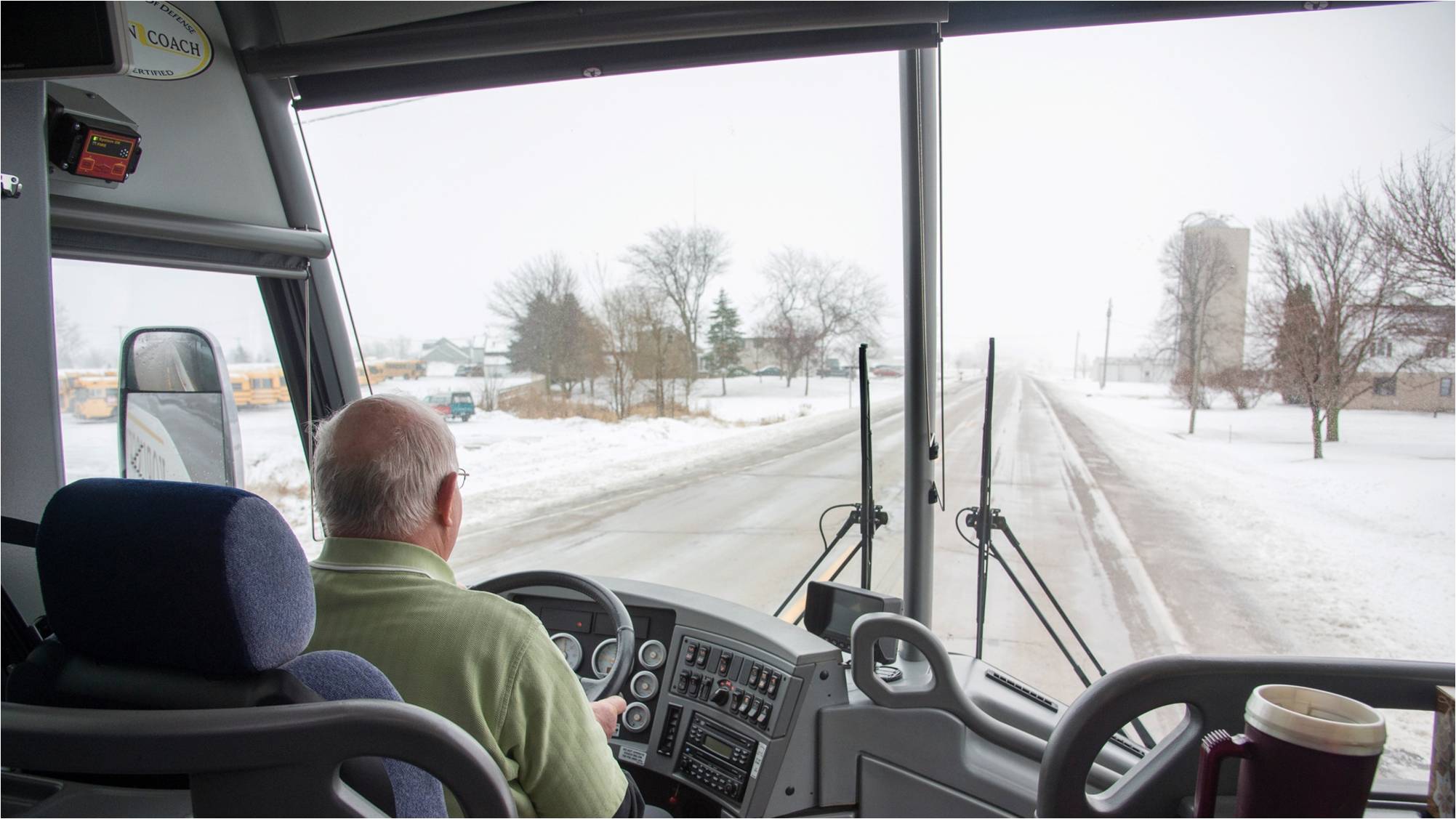
Snow, fog, and ice are just some of the extreme driving conditions professional drivers deal with on a daily basis. Extreme driving conditions demand increased driver concentration and preparation. The purpose of this training program is to help drivers understand how to handle weather-related conditions they face while on the job.
Extreme Weather Driving Quiz (PDF)
Extreme Weather Driving Quiz - Answers (PDF)
Extreme Weather Driving Training Sign In Sheet (PDF)
Although OSHA does not address specific regulations for extreme weather driving, the agency requires that all employers furnish to of his employees employment and a place of employment which are free from recognized hazards that are causing or are likely to cause death or serious physical harm to his employees per their General Duty Clause, Section 5(a)(1).

Falls from elevations are the leading cause of death in general industry workplaces. They can happen in all occupations and in a variety of work settings—from employees climbing up and down ladders, walking on stairs, or working on elevated surfaces which have unprotected sides and edges. These are only a few examples of the many tasks that can result in employee injury or death caused by an employer’s failure to recognize fall hazards, use appropriate fall protection equipment, or take action to abate fall hazards in their workplace.
Applies to: This training program provides an overview of OSHA’s 29 CFR Part 1910 Subpart D (1910.21 to 1910.30) requirements for fall protection. Any employee in general industry who uses fall protection outlined in Subpart D must be trained in accordance with 1910.30. Fall protection is any equipment, device, or system that prevents an employee from fall from an elevation or mitigates the effect of such a fall is considered fall protection. This includes guardrails, personal fall protection, safety net systems, designated areas, covers, handrails and stair rail systems, ladder safety systems, etc. General industry employers must provide fall protection if an employee is assigned a job that exposes them to a fall hazard four feet or more above a lower level. Fall protection must also be provided regardless of height in certain situations, such as working above dangerous equipment.
When: Training must be provided to both current and newly-hired workers before initially assigning them to a job where they may be exposed to a fall hazard. Employees must be retrained when there are changes in the workplace, changes in the types of fall protection systems used and the employee demonstrates a lack of understanding or skill necessary to use the equipment or perform the job safely (i.e. accident, near miss). Training must be developed or prepared and delivered by a qualified person.
Training records: No specific training documentation is required.
Fall Protection for General Industry Designated Area Handout (PDF)
Fall Protection for General Industry Introduction Handout (PDF)
Fall Protection for General Industry Mechanics of a Fall Handout (PDF)
Fall Protection for General Industry Personal Fall Protection Handout (PDF)
Fall Protection for General Industry Exercise Word Search (PDF)
Fall Protection for General Industry Exercise Word Search - Answer Key (PDF)
Fall Protection for General Industry Identifying Hazards Exercise (PDF)
Fall Protection for General Industry Identifying Hazards Exercise - Answer Key (PDF)
Fall Protection for General Industry Exercise Dos and Donts (PDF)
Fall Protection for General Industry Exercise Dos and Donts - Answer Key (PDF)
Fall Protection for General Industry Quiz (PDF)
Fall Protection for General Industry Quiz - Answer Key (PDF)
Fall Protection for General Industry Safety Training Sign In Sheet (PDF)
The following regulations are related to this topic:
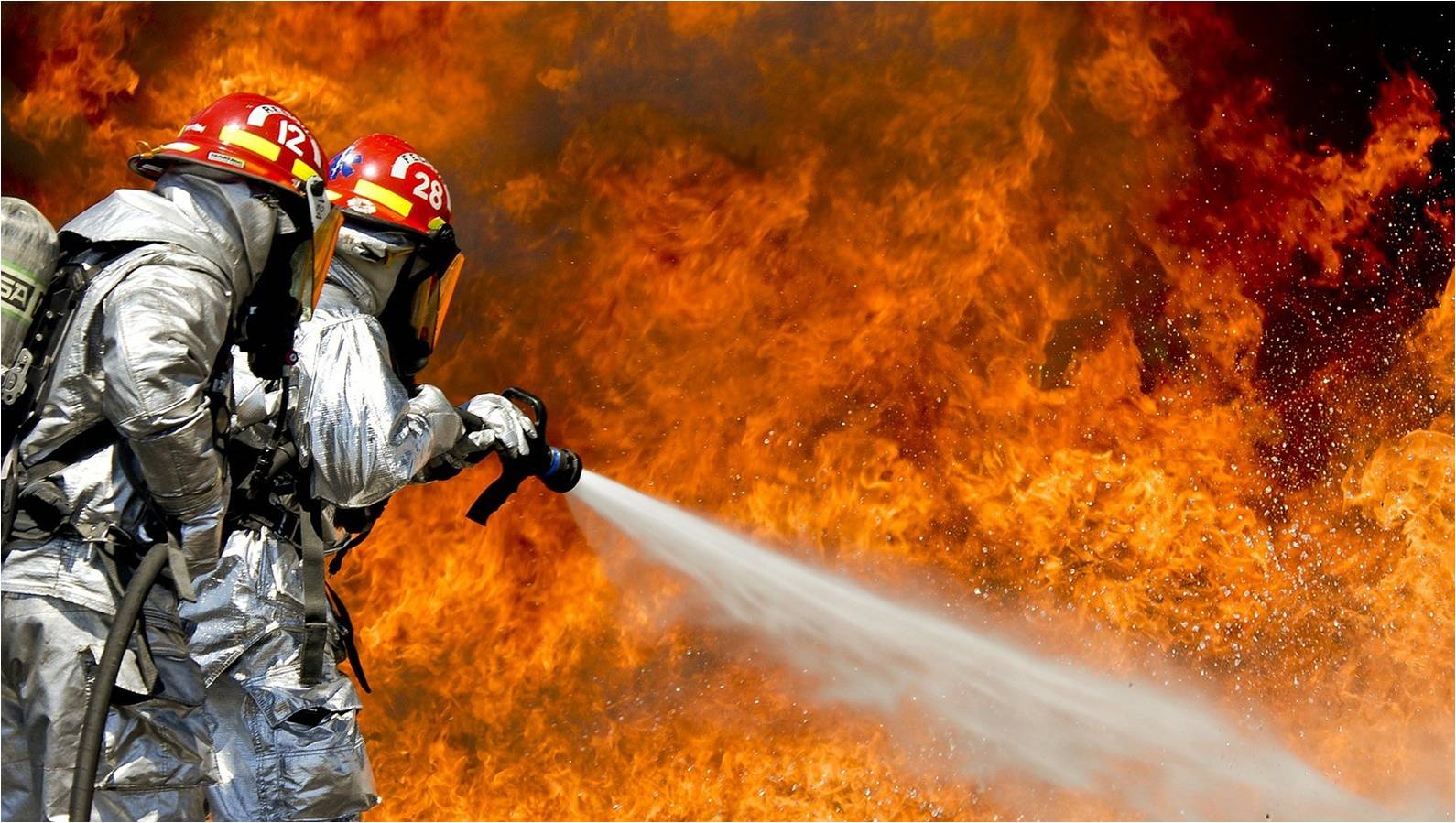
The best fire protection is fire prevention. But you need to know how to deal with an accidental fire as well as how to keep one from starting.
Applies to: This training program applies to any workplace where employees may use portable fire extinguishers. Where the employer has provided portable fire extinguishers for employee use in the workplace, the employer shall also provide an educational program to familiarize employees with the general principles of fire extinguisher use and the hazards involved with incipient stage firefighting. All employees who have been designated to use firefighting equipment as part of an emergency action plan are to be trained to use appropriate equipment.
When: Upon initial assignment and at least annually thereafter.
Fire Extinguisher PASS Handout (PDF)
Fire Extinguisher Dos and Don'ts Handout (PDF)
Types of Fire Extinguishers Handout (PDF)
Using Fire Extinguishers Five Minute Talk (PDF)
Fire Prevention Plan Five Minute Talk (PDF)
Fire Extinguishers Overview Five Minute Talk (PDF)
Fire Protection Checklist Demonstration (PDF)
Fire Extinguishers Scenario (PDF)
Fire Extinguishers Scenario - Answers (PDF)
Fire Extinguisher Training Sign-In Sheet (PDF)
Fire Extinguisher Quiz - Answers (PDF)
The following regulations are related to this topic:

Not all employees will need training in handling and storing flammable liquids, but make sure that any employee involved in storage, transfer, use or disposal of flammable liquids is trained to handle them safely and to follow your company's established procedure.
Improper handling of flammables brings a great risk of fire. During storage, proper venting in the right vessels is of primary concern. During transfer, employees must watch for spills.
When a flammable is spilled, vapors begin to form immediately. The vapors are the fire hazard, rather than the liquid. They continue to build until the liquid is removed, requiring prompt cleanup operations.
When using a flammable liquid, workers should make sure they have transferred the liquid to an approved container and that it is in manageable quantities at the workstation.
In addition, if your company receives, stores, or handles flammable and combustible liquids in storage tanks in areas that have the potential to flood, you need to have employees trained on emergency response procedures.
Specify your company's spill cleanup procedures and supplies. You may want to cover this topic in more detail later on.
Applies to: This training program applies to storage tank station operators and emergency responders for storage tanks in flood-prone areas. In addition, under the requirements of the Hazard Communication standard (1910.1200), employers must train all workers who have an exposure or a potential for exposure to hazardous chemicals.
When: Employees must be trained prior to taking part in actual emergency operations. Under the requirements of the Hazard Communication standard, employees must be trained prior to initial exposure and when a new chemical hazard is introduced.
Training records: No specific training documentation is required.
Flammable Liquids Handout - Overview (PDF)
Flammable Liquids Handout - Prevent Fire Hazards (PDF)
Flammable Liquids Handout - Storage (PDF)
Flammable Liquids 5-Minute Talk - Overview (PDF)
Flammable Liquids 5-Minute Talk - Danger of Vapors (PDF)
Flammable Liquids 5-Minute Talk - Storage (PDF)
Flammable Liquids Scenario (PDF)
Flammable Liquids Scenario - Answer Key (PDF)
Flammable Liquids Quiz - Answer Key (PDF)
The following regulations are related to this topic:

Modern commerce wouldn't be the same without the forklift. Forklifts and their operators are performing work no single person can manage alone. Within moments an operator can easily pick an entire pallet off a high shelf, lower it and transfer those materials quickly to another spot. Operators face many challenges. You should be aware of those challenges and how to stay safe near them. This training is designed to help you recognize and protect yourself from the potential hazards associated with working near forklifts.
Applies to: New or veteran employees or pedestrians who work around forklifts.
Forklifts - Basic Rules for Safe Travel Handout (PDF)
Forklift Non-Operator Safety Sign in Sheet (PDF)
Forklift - Non-Operator Quiz (PDF)
Forklift - Non-Operator Quiz - Answers (PDF)
Although OSHA does not address specific regulations for forklifts for non-operators, the agency requires that all employers furnish to of his employees employment and a place of employment which are free from recognized hazards that are causing or are likely to cause death or serious physical harm to his employees per their General Duty Clause, Section 5(a)(1).

Employees’ hands can be exposed to many hazards, including skin absorption of harmful substances, severe cuts or lacerations, severe abrasions, punctures, chemical burns, thermal burns, and harmful temperature extremes. OSHA requires employers to protect employees from these hazards. In some cases, guards on a machine can provide the protection. However, in many cases, workers must wear hand protection, such as specialty gloves, finger guards and arm coverings, or elbow-length gloves.
Every day hundreds of workers in the United States suffer disabling injuries to their feet and toes. Foot and toe injuries numbered 115,300 in 1994 according to 1996 Bureau of Labor Statistics figures. This number represents over five percent of all disabling injuries.The foot is especially vulnerable to injury. For example, it is possible to severely sprain your ankle simply by stepping off a curb! Yet many workers ignore the serious hazards in the workplace and refuse to wear protective footwear.
Applies to: OSHA’s hand and foot protection standard applies to all General Industry employers who have employees with such exposures. Hand hazards may include hazards such as skin absorption of harmful substances, severe cuts or lacerations, severe abrasions, puntures, chemical burns, thermal burns and harmful temperatue extremes.
When: Before being allowed to perform work requiring use of PPE, each employee must be trained to know:
When PPE is necessary
What PPE is neccessary
How to properly don, doff, adjust and wear PPE
The limitations of PPE
The proper care, maintenance, useful life and disposal of PPE
When the employer has reason to believe that any affected employee who has already been trained does not have the understanding and skill required, the employer must retrain each such employee
Documentation: The employer must verify that each affected employee has received and understood the rquired training through a written certification that contains the name of the employee trained, the date(s) of training and that identifies the subject of certification.
Foot Protection Overview - 5 Minute Talk (PDF)
Protective Footwear Options - 5 Minute Talk (PDF)
Foot Protection Overview Handout (PDF)
Foot Protection Scenario (PDF)
Foot Protection Scenario - Answer Key (PDF)
Hand Protection - 5 Minute Talk (PDF)
Hand Protection Latex Allergy - 5 Minute Talk (PDF)
Hand Protection Scenario (PDF)
Hand Protection Scenario - Answer Key (PDF)
Handwashing - 5 Minute Talk (PDF)
Top 5 OSHA PPE Violations - 5 Minute Talk (PDF)
You're Not Ready to Work if You Forget Your PPE Handout (PDF)
Hand/Foot Protection Training Sign in Sheet (PDF)
Foot Protection Quiz - Answer Key (PDF)
Hand Protection Quiz - Answer Key (PDF)
The following regulations are related to this topic:

Tools are such a common part of our lives that it is difficult to remember that they may pose hazards. All tools are manufactured with safety in mind but, tragically, a serious accident often occurs before steps are taken to search out and avoid or eliminate tool related hazards. In the process of removing or avoiding the hazards, workers must learn to recognize the hazards associated with the different types of tools and the safety precautions necessary to prevent those hazards.
Applies to: This training program applies to construction employees who use hand and power tools. Employees who work with powder-actuated tools must receive instructions in the hazards of the particular tool they are using. Employers may permit only those employees qualified by training or experience to operate equipment and machinery.
When: Employees operating powder-actuated hand tools must receive training before they are allowed to operate the tool. No training time is specified for the use of other types of tools.
Hand & Power Tools for Construction Handout (PDF)
Hand & Power Tools for Construction Abrasive Wheels Handout (PDF)
Hand & Power Tools for Construction Tool Safety Handout (PDF)
Hand & Power Tools for Construction Nail Guns Handout (PDF)
Hand & Power Tools for Construction Pneumatic Tools Handout (PDF)
Hand & Power Tools for Construction Machine Guarding Handout (PDF)
Hand & Power Tools for Construction Abrasive Wheels 5 Minute Talk (PDF)
Hand & Power Tools for Construction Tool Safety 5 Minute Talk (PDF)
Hand & Power Tools for Construction Jacks and Jack Stands 5 Minute Talk (PDF)
Hand & Power Tools for Construction Machine Guarding 5 Minute Talk (PDF)
Hand & Power Tools for Construction Nail Guns 5 Minute Talk (PDF)
Hand & Power Tools for Construction Overview 5 Minute Talk (PDF)
Hand & Power Tools for Construction Pneumatic Tools 5 Minute Talk (PDF)
Hand & Power Tools for Construction Powder Actuated Tools 5 Minute Talk (PDF)
Hand & Power Tools for Construction Power Tools 5 Minute Talk (PDF)
Hand & Power Tools for Construction Utility Knives 5 Minute Talk (PDF)
Hand & Power Tools for Construction Training Sign In Sheet (PDF)
Hand & Power Tools for Construction Quiz (PDF)
Hand & Power Tools for Construction Quiz Answer Key (PDF)
Hand & Power Tools for Construction Scenario (PDF)
Hand & Power Tools for Construction Scenario Answer Key (PDF)
The following regulations are related to this topic:

The Occupational Safety and Health Adminisatration (OSHA) issued a standard to help employees learn about the hazards of the chemicals they use on the job. The standard is called the Hazard Communication Standard. But it is more commonly called "HazCom" or the "Right to Know Law." It can be found at 29 CFR 1910.1200. The HazCom Standad requires that all chemicals in the workplace be classified for potential hazards. And, it mandates that information relating to these hazards be made available to covered employees. The standard says employees have a right to know what chemicals they work with or around. Employees also have a right to understand the hazards.
Applies to: This training program applies to employees who are not directly exposed to hazardous chemicals as part of their job duties, such as employees who only handle chemicals in sealed containers(such as cargo handling, warehousing, or retail sales jobs). Employees such as office workers or bank tellers who encounter hazardous chemicals only in non-routine, isolated instances are not covered by the HazCom standard, but they may benefit from having an understanding of general HazCom information. General HazCom training includes the basics of how to recognize hazardous chemical releases, chemical hazards, protective measures, container labels, safety datasheets, and other general requirements in OSHA’s standard.
When: OSHA requires HazCom training to be provided to employees who may be exposed to hazardous chemicals under normal operating conditions or in foreseeable emergencies prior to initial exposure and when a new chemical hazard is introduced.
Hazard Communication Overview Handout (PDF)
Hazard Communication Container Labels Handout (PDF)
Hazard Communication Pictogram Handout (PDF)
Hazard Communication MSDS Five Minute Talk (PDF)
Hazard Communication GHS Five Minute Talk (PDF)
Hazard Communication Safety Data Sheets Five Minute Talk (PDF)
Hazard Communication Exposure Scenario (PDF)
Hazard Communication Exposure Scenario - Answsers (PDF)
Hazard Communication Training Sign In Sheet (PDF)
Hazard Communication Quiz (PDF)
Hazard Communication Quiz - Answers (PDF)
The following regulations are related to this topic:

Protection of worker vision is a responsibility shared by both workers and their employers. The employer can provide all the necessary safety precautions: safety equipment, first-aid facilities, and even a vision screening program, but the employee has to take safety seriously and use the protections provided. The main cause of job-related eye injuries is objects striking a worker's eye. Chemical splashes also account for many eye injuries.
Applies to: OSHA’s eye/face protection requirement applies to all General Industry employers who have employees exposed to flying particles, molten metal, liquid chemicals, acids or caustic liquids, chemical gases or vapors, or potentially injurious light radiation.
When: Employees must be trained on personal protective equipment (PPE) upon initial assignment of a task that requires the use of PPE and retraining shall occur when necessary.
PPE Eye Protection Overview Handout (PDF)
PPE Head Protection Selection and Use Handout (PDF)
PPE Face Protection Overview Handout (PDF)
PPE Eye Protection Five Minute Talk (PDF)
PPE Head Protection Five Minute Talk (PDF)
PPE Face Protection Five Minute Talk (PDF)
PPE Head Protection Scenario (PDF)
PPE Head Protection Scenario - Answers (PDF)
Head, Eye and Face Protection Training Sign In Sheet (PDF)
PPE - Eye and Face Protection Quiz (PDF)
PPE - Eye and Face Protection Quiz - Answers (PDF)
The following regulations are related to this topic:

Noise, or unwanted sound, is a pervasive occupational health problem. It is a by-product of many industrial processes. Noise controls are the first line of defense against excessive noise exposure that work to eliminate or minimize any risk to hearing. The OSHA standard 1910.95(b)(1) states when employees are subjected to sound exceeding 85 decibels (dB), feasible administrative or engineering controls should be utilized. If such controls fail to reduce sound levels, personal protective equipment (hearing protection) should be provided and used to reduce sound levels.
Applies to: This training program applies to all employees who are exposed to noise at or above an 8-hour time-weighted average of 85 decibels.
Audiometric Testing 5 Minute Talk (PDF)
Hearing Conservation 5 Minute Talk (PDF)
Hearing Conservation Quiz (PDF)
Hearing Conservation Quiz - Answers (PDF)
Hearing Conservation Training Sign In Sheet (PDF)
The following regulations are related to this topic:

Hot environments can be found in any climate during any time of the year. In addition to people who work outdoors, people who work in foundries, glass or ceramic plants, laundries, mines, bakeries, etc. are exposed to high heat on a regular basis. Heat has effects on how the body functions. Overexposure to heat can cause: fatigue, heat rash, fainting, muscle cramps, heat exhaustion, and heat stroke. According to the National Weather Service, about 175 Americans die from overexposure to summer heat each year. Some people are more susceptible to the effects of heat.
Before you conduct training, you will want to assess the heat hazards in your workplace. This includes monitoring the environment and evaluating the employees' workloads. When you understand the hazards, you can answer employee questions more easily.
Applies to: All employees risk exposure to extreme temperatures.
Heat Related Illness and Injury Overview Handout (PDF)
Heat Stress Risk Factors Handout (PDF)
Heat Stress Cultural Considerations (PDF)
Heat Stress First Aid Role Play Demonstration (PDF)
Heat Stress Scenario - Answers (PDF)
Heat Stress Safety Sign-In Sheet (PDF)
Heat Stress Quiz - Answers (PDF)
Although OSHA does not address specific regulations for heat stress, the agency requires that all employers furnish to of his employees employment and a place of employment which are free from recognized hazards that are causing or are likely to cause death or serious physical harm to his employees per their General Duty Clause, Section 5(a)(1).

One of the best ways to determine and establish proper work procedures is to conduct a job hazard analysis (JHA). A JHA is one component of the larger commitment of a safety and health management system. A job hazard analysis is a technique that focuses on job tasks as a way to identify hazards before they occur. It focuses on the relationship between the worker, the task, the tools, and the work environment. Ideally, after you identify uncontrolled hazards, you will take steps to eliminate or reduce them to an acceptable risk level.
Applies to: This training is for employers, management and supervisors. It explains what a job hazard analysis is and its importance as part of an effective safety program.
When: You should prioritize analyzing jobs where accidents are abnormally severe, jobs that already have a higher frequency of accidents, and jobs that are new or have newly established processes. A reasonable place to start would be the OSHA fatal four hazards.
Job Hazard Analysis Handout (PDF)
Job Hazard Analysis Sample Form (PDF)
OSHA Job Hazard Analysis Publication (PDF)
Job Hazard Analysis Training Sign In Sheet (PDF)
Job Hazard Analysis Quiz (PDF)
Job Hazard Analysis Quiz - Answers (PDF)
The Occupational Safety and Health Administration (OSHA) does not specifically require employers to develop JHAs, but encourages their use for potentially hazardous tasks.

Ladders are indispensable for so many jobs like reaching storage areas, making equipment repairs, or doing building maintenance. Unfortunately, people think more about the task at hand than the ladder that will get them there. Each year there are over 100 ladder-related fatalities and thousands of injuries. To prevent these accidents, employees need training on the proper use, inspection, storage, and care of ladders.
Ladders for General Industry Handout (PDF)
Ladders for General Industry - Selection/Setup/Use Handout (PDF)
Ladders for General Industry How to Approach Handout (PDF)
Ladders for General Industry - Selection/Setup/Use 5 Minute Talk (PDF)
Ladders for General Industry Overview 5 Minute Talk (PDF)
Ladders for General Industry Training Sign In Sheet (PDF)
Ladders for General Industry Quiz (PDF)
Ladders for General Industry Quiz Answer Key (PDF)
Ladders for General Industry Scenario (PDF)
Ladders for General Industry Scenario Answer Key (PDF)
The following regulations pertain to this topic:

Many accidents occur when an employee is servicing equipment. Suddenly, the controls are bumped; the equipment starts; and the gears of the machine catch and pull the employee's arm. Another example is a worker cleaning a process tank when someone opens the hot water valve to the tank, and the hot water scalds the worker. Can these injuries be avoided? What is not being done to prevent these injuries?
When servicing or performing maintenance on equipment or machinery, you must be sure that the equipment cannot unexpectedly start up or release stored energy. How do you do this? The procedure for isolating the energy sources is called lockout/tagout. This training session presents the lockout/ tagout procedures. It covers the recognition of hazardous energy sources, hazardous energy sources in use at the facility, and isolation and control of energy sources. As employees who service and perform maintenance on the equipment in this facility, operate or use machines to which lockout/tagout are applied, or work in an area where lockout/tagout is performed, you need to know how to avoid the dangers involved when hazardous energy sources are not locked out and/or tagged out. Authorized employees must know, understand, and perform lockout/tagout properly. This training provides the proper procedures for lockout/tagout, as well as the role of each employee in this procedure. The information covered in this session also includes information about the energy control programs and how and when to implement refresher training.
Applies to: This training program applies to:
Employees who perform servicing and maintenance on equipment and machines which, during these functions, may unexpectedly start-up or release stored energy,
Employees who operate or use machines to which lockout/tagout are applied or work in an area where lockout/tagout is performed, and
Employees whose work operations are or may be in an area where lockout/tagout procedures may be used.
Employees working in construction, agriculture, and maritime industries are not covered by the lockout/ tagout standard, therefore this training program does not apply to them. Also, this training program does not apply to employees working on electrical hazards covered by 1910 Subpart S or electric utilities. Lastly, it does not apply to oil and gas drilling operations.
When: Training must precede the exposure to locked out equipment, or the use of a lockout system. Retraining shall be conducted whenever necessary to reestablish employee proficiency, or to introduce new or revised procedures.
Training Records: The employer shall certify that employee training has been accomplished and is being kept up to date. The certification shall contain each employee’s name and dates of training.
Deengergizing Equipment Handout (PDF)
Energy Control Procedure Handout (PDF)
Examples of Servicing and Maintenance Handout (PDF)
Lockout/Tagout Authorized Employees Handout (PDF)
Lockout/Tagout Other Employees (PDF)
Reenergizing Equipment Handout (PDF)
Understanding Lockout/Tagout (PDF)
Deenergizing Equipment Five Minute Talk (PDF)
Energy Control Procedure Five Minute Talk (PDF)
Lockout/Tagout Authorized Employees Five Minute Talk (PDF)
Lockout/Tagout Other Employees Five Minute Talk (PDF)
Lockout/Tagout Refresher Training Five Minute Talk (PDF)
Reenergizing Equipment Five Minute Talk (PDF)
Servicing and Maintenance Five Minute Talk (PDF)
Types of Energy Sources Five Minute Talk (PDF)
Understanding Lockout/Tagout Five Minute Talk (PDF)
Inspect Equipment for Energy Sources Demonstration (PDF)
Location of Isolating Device Demonstration (PDF)
Lockout/Tagout Procedure Demonstration (PDF)
Lock Out/Tag Out Quiz Answers (PDF)
Lock Out/Tag Out Dos and Donts Exercise (PDF)
Lock Out/Tag Out Dos and Donts Exercise Answer Key (PDF)
Whose job is it? Exercise (PDF)
Whose job is it? Exercise Answer Key (PDF)
Lockout/Tagout Affected Employees Scenario (PDF)
Lockout/Tagout Affected Employees Scenario Answer Key (PDF)
Lockout/Tagout Authorized Employees Scenario (PDF)
Lockout/Tagout Authorized Employees Scenario Answer Key (PDF)
Lockout/Tagout Other Employees Scenario (PDF)
Lockout/Tagout Other Employees Answer Key (PDF)
Lock Out/Tag Out Safety Sign In Sheet (PDF)
The following regulations pertain to this topic:

Logging consists of cutting trees, removing the limbs and branches, and cutting or splitting the trees into manageable logs. Trees and logs are then moved to central locations by one of several methods (e.g., skidding or forwarding).Logging operations require employees to work in all types of weather, on all types of terrain, and in isolated, remote locations. The tools and equipment which logging employees use or operate, such as chain saws, axes and tractors pose hazards wherever they are utilized. The hazards are even more acute when dangerous environmental conditions are factored in, such as uneven, unstable or rough terrain; inclement weather including rain, snow, lightning, winds, extreme cold, and remote and isolated work sites where health care facilities are not immediately accessible.
Applies to: This training program applies to employees who do any type of logging operations, which include, but are not limited to, pulpwood and timber harvesting, marking, felling, bucking, limbing, debarking, chipping, yarding, loading, unloading, storing, transporting machines and equipment from site to another and the logging of sawlogs, veneer bolts, poles, pilings, and other forest products. This training program is targeted to familiarize the employees with the rule’s general requirements. However, this training does not cover the construction or use of cable yarding systems.
When: Training is required prior to initial assignment; upon assignment to new tasks, tools, equipment, machines, or vehicles; and upon demonstration of unsafe job performance. Required first aid and CPR training is to remain current. New employees who have previously received adequate training in specified training elements shall not be required to be retrained in those elements prior to their initial assignment.
Training records: The certification record is to include the name of the employee, date of training, signature of trainer, signature of employer, and the date of acceptance of any applicable prior training. The most recent certification record must be maintained.
Logging Operations General Requiements - 5 Minute Talk (PDF)
Logging Operations Watch for Logging Hazards Handout (PDF)
Logging Operations Understand Safe Work Procedures - 5 Minute Talk (PDF)
Logging Operations Be Ready for First Aid and CPR Handout (PDF)
Logging Operations General Requirements Scenario (PDF)
Logging Operations General Requirements Scenario - Answer Key (PDF)
Logging Operations Tree Harvesting - 5 Minute Talk (PDF)
Logging Operations Tree Harvesting Scenario (PDF)
Logging Operations Tree Harvesting Scenario - Answer Key (PDF)
Logging Operations Felling a Tree Demonstration (PDF)
Logging Operations Machinery - 5 Minute Talk (PDF)
Logging Operations Machinery Scenario (PDF)
Logging Operations General Requirements Quiz (PDF)
Logging Operations General Requirements Quiz - Answer Key (PDF)
Logging Operations General Requirements Safety Training Sign In Sheet (PDF)
The following regulations are related to this topic:

Machine guards are an engineering control that protects workers from being exposed to hazards created by moving machine parts, and from any sparks, chips, splashes, etc. that are created during operation.
Before you conduct training on machine guarding, you should become familiar with OSHA's regulations, the types of hazards created by machinery, the types of injuries that machinery can cause, how to evaluate the risk posed by your machines, the available techniques for safeguarding, and the importance of operating instructions and maintenance procedures.
You may also want to complete a machine operation hazard assessment for your facility to ensure that all of your machine guards are adequate before you conduct the training.When employees notice that management is taking an interest in inspecting machine guards and is providing complete operation and maintenance procedures, they will be more eager to follow your example and participate in the training.
Applies to: This training program applies to machine operators and other employees who are, or may be, exposed to the hazards created by moving machine parts. Workers should be trained in methods of protection from the hazards created by rotating parts and reciprocating or transverse motions during equipment operation.OSHA does not specifically require employers to train employees on machine guarding. This training program provides an overview of machine guarding techniques. There are no training requirements, but this training program can be used to familiarize employees with the guard in place on your equipment.
When: Training must precede the exposure to locked out equipment, or the use of a lockout system. Retraining shall be conducted whenever necessary to reestablish employee proficiency, or to introduce new or revised procedures.When: It would be a good practice to provide training at the time of initial assignment to a job where machine guards are required.
Machine Guarding Mchanical Hazards - 5 Minute Talk (PDF)
Machine Guarding Overview - 5 minute Talk (PDF)
Machine Guarding Prevening Amputations - 5 Minute Talk (PDF)
Machine Guarding Keeping You Safe Handout (PDF)
Machine Guarding Mechanical Hazards Handout (PDF)
Machine Guarding Overview Handout (PDF)
Machine Guarding How to Approach Training Handout (PDF)
Machine Guarding Training Sign In Sheet (PDF)
Machine Guarding Quiz Answers (PDF)
The following regulations pertain to this topic:

All of us are familiar with the importance of first impressions, and few people are more impressionable than new employees. During their first day on the job, new employees are overloaded with a myriad of information about company rules, regulations, procedures, and benfits. There needs to be a proper emphasis on safety and health as well. The orientation period is the time to instill safe working habits that can ultimately prevent workplace injuries and illness.
New Employee Safety Orientation Handout (PDF)
New Employee Safety Orientation Quiz (PDF)
New Employee Safety Orientation Quiz Answer Key (PDF)
Although OSHA does not address specific regulations for new employees, the agency requires that all employers furnish to of his employees employment and a place of employment which are free from recognized hazards that are causing or are likely to cause death or serious physical harm to his employees per their General Duty Clause, Section 5(a)(1).

Protection of worker safety is a responsibility shared by both workers and their employers. The employer can provide all the necessary safety precautions, safety equipment, and first-aid facilities, but the employee has to take safety seriously and use the protections provided.
Applies to: OSHA’s personal protective equipment requirement applies to all General Industry employers who have employees exposed to flying particles, molten metal, liquid chemicals, acids or caustic liquids, chemical gases or vapors, or potentially injurious light radiation. This topic focuses on the Construction Industry's personal protective equipment.
When: Employees must be trained on personal protective equipment (PPE) upon initial assignment of a task that requires the use of PPE and retraining shall occur when necessary.
Working Near and Over Water Handout (PDF)
Top 5 PPE Violations Handout (PDF)
The following regulations are related to this topic:
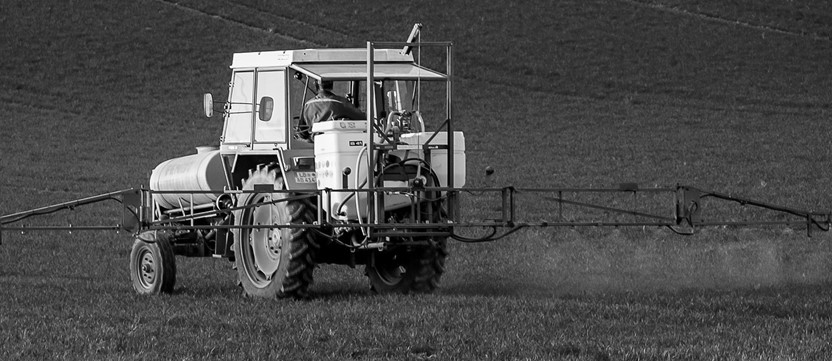
The Worker Protection Standard (WPS) is a regulation EPA originally issued in 1992 and revised in 2015. It is intended to protect agricultural workers and pesticide handlers from risks associated with agricultural pesticides. The WPS covers employees working in or on farms, forests, nurseries, and greenhouses who perform hand-labor operations in areas treated with pesticides. It also applies to workers who mix, load, apply, or otherwise handle pesticides. The WPS contains requirements for pesticide safety training, notification of pesticide applications, use of personal protective equipment (PPE), restricted-entry intervals following pesticide application, decontamination supplies, and emergency medical assistance.
Training is essential for the proper use of pesticides and is key to the success of the WPS. To protect the health and safety of workers and handlers, employers are responsible for training them in the safe use of pesticides. Employers may either train their workers and handlers, or hire employees who have already been trained. Either way, employers must ensure that their employees understand the basic concepts of pesticide safety. Employees need to be trained by qualified trainers and must have the opportunity to ask questions during the training session.
Applies to:
Agricultural workers—those who perform tasks related to the cultivation and harvesting of plants on farms or in greenhouses, nurseries, or forests. Workers include anyone employed for any type of compensation (including self-employed) doing tasks, such as carrying nursery stock, repotting plants, or watering, related to the production of agricultural plants on an agricultural establishment.
Pesticide handlers—those who mix, load, or apply agricultural pesticides; clean or repair pesticide application equipment; or assist with the application of pesticides in any way.
When: Workers must be provided with pesticide safety information before entering areas where, within the last 30 days, a pesticide has been applied or a restricted-entry interval has been in effect. In addition, a training program is required. The oral, written, or audio-visual training program must present the material in understandable nontechnical terms, and the presenter must respond to questions. Workers must have received the training before performing any early-entry activities and before the sixth day of entry into an area where, within the last 30 days, a pesticide has been applied or a restricted-entry interval has been in effect. The employer may accept previous training. The employer must assure that workers have been trained during the last five years, counting from the end of the month in which the training was completed. Before any handler performs any handling task, the employer must assure that the handler has been trained during the last five years, counting from the end of the month in which the training was completed. The employer may accept previous training.
Pesticides Protect Yourself 5 Minute Talk (PDF)
Pesticides Stormwater 5 Minute Talk (PDF)
Pesticides Wetlands 5 Minute Talk (PDF)
Pesticides Training Sign In Sheet (PDF)
Pesticides Quiz Answer Key (PDF)
Pesticides Scenario Answer Key (PDF)
Pesticides Label Information Demonstration (PDF)
Pesticides Medical Emergency Demonstration (PDF)
Citations related to pesticides, which is governed by the Enviornment Protection Agency (EPA) include:

OSHA's primary objective for respiratory protection is the prevention of atmospheric contamination. Accepted engineering control measures are to be used to accomplish this (for example, enclosure or confinement of the operation, general and local ventilation, and substitution of less toxic materials). When effective engineering controls are not feasible or sufficient, or while they are being instituted, OSHA requires that employees use appropriate respirators. When your employees need respirators to do their jobs, setting up an effective respirator safety program is essential. The respiratory protection regulation (29 CFR 1910.134) establishes uniform guidelines for protecting your workers when they must work in hazardous atmospheres.
Respiratory protection is required by several standards in Subpart Z of 1910 when exposures are above the Permissible Exposure Limit (PEL). This training topic can be used as part of the training session for these standards' respiratory protection requirements. Or, use this as a separate training session when respiratory protection is required to protect from the hazards of the air contaminants listed in 29 CFR 1910.1000. OSHA's respiratory protection regulation also includes provisions for respirator use that is not required by any OSHA standard. Employers have responsibilities when respirator use is voluntary or is a company requirement.
Who: This training program applies to all employees who are, or may be, exposed to air contaminants above the permissible exposure limits or suggested exposure levels. This training program may also be used for respirator use that is required by company policy or that is voluntary.
When: Training must precede the use of a respirator. Retraining is required to be conducted annually, and whenever necessary to ensure safe use.
Respiratory Protection How to Approach (PDF)
Respiratory Protection Handout - Overview (PDF)
Respiratory Protection Handout - How it Works (PDF)
Respiratory Protection Handout - Types of Respirators (PDF)
Respiratory Protection 5-Minute Talk - Overview (PDF)
Respiratory Protection 5-Minute Talk - Voluntary Use of Respirators (PDF)
Respiratory Protection 5-Minute Talk - Diesel Exhaust (PDF)
Respiratory Protection Demonstration - Respirator (PDF)
Respiratory Protection Demonstration - Respirator Fit Tests (PDF)
Respiratory Protection Demonstration - Outline the Hazards and Controls (PDF)
Respiratory Protection Demonstration - Medical Evaluation Program (PDF)
Respiratory Protection Scenario (PDF)
Respiratory Protection Scenario - Answer Key (PDF)
Respiratory Protection Quiz (PDF)
Respiratory Protection Quiz - Answer Key (PDF)
The following regulations are related to this topic

An estimated 2.3 million construction workers, or 65 percent of the construction industry, work on scaffolds. Protecting these workers from scaffold-related accidents may prevent some of the 4,500 injuries and over 60 deaths every year. In a Bureau of Labor and Statistics (BLS) study, 72% of workers injured in scaffold accidents attributed the accident either to the planking or support giving way, or to the employee slipping or being struck by a falling object.
Applies to: This training program applies to employees who work on scaffolds. Scaffold workers must be able to recognize the hazards associated with the type of scaffold being used and to understand the procedures needed to control or minimize those hazards. Additional training is required for employees who erect, disassemble, move, operate, repair, maintain, or inspect scaffolds. Competent persons (i.e., trained) must supervise the erection, moving, dismantling, or alteration of scaffolds.
Employers may permit only those employees qualified by training or experience to operate equipment and machinery. Contractors must instruct each employee about the applicable regulations and to recognize and avoid unsafe conditions to control or eliminate any hazards or other exposure to illness or injury.
When: No training time is specified.
Scaffold Safety for Construction Handout - Overview (PDF)
Scaffold Safety for Construction Handout - Access to Scaffolds (PDF)
Scaffold Safety for Construction Handout - Fall Protection (PDF)
Scaffold Safety for Construction Handout - Falling Object Protection (PDF)
Scaffold Safety for Construction Handout - OSHA Top 5 Scaffolding Violations (PDF)
Scaffold Safety for Construction Handout - Scaffolding, Erecting, and Dismantling (PDF)
Scaffold Safety for Construction Handout - Stay Alert (PDF)
Scaffold Safety for Construction Handout - Using Scaffolds (PDF)
Scaffold Safety for Construction 5-Minute Talk - Access to Scaffolds (PDF)
Scaffold Safety for Construction 5-Minute Talk - Fall Protection (PDF)
Scaffold Safety for Construction 5-Minute Talk - OSHA Top 5 Scaffolding Violations (PDF)
Scaffold Safety for Construction 5-Minute Talk - Using Scaffolds (PDF)
Scaffold Safety for Construction Demonstration - Fall Protection Equipment (PDF)
Scaffold Safety for Construction Demonstration - Falling Object Protection Systems (PDF)
Scaffold Safety for Construction Scenario (PDF)
Scaffold Safety for Construction Scenario - Answer Key (PDF)
Scaffold Safety for Construction Quiz (PDF)
Scaffold Safety for Construction Quiz - Answer Key (PDF)
The following regulations are related to this topic:

Everyone wants to feel respected and safe in their workplace. When an employee experiences sexual harassment, their sense of respect and safety is violated. But what is sexual harassment, exactly? Common examples include sexual advances, touching, groping, lewd jokes or comments, and gestures. However, sexual harassment comes in many forms—some are clear, but others are harder to distinguish.
Sexual Harassment Prevention is designed to help prevent sexual harassment from happening in the first place. And, in the unfortunate event it does occur, learners will be prepared to respond swiftly and appropriately to the situation.
Applies to: This training is for managers and employees.
Sexual Harassment Prevention Scenario & Demonstration (PDF)
Sexual Harassment Prevention Sign in Training Sheet (PDF)
Sexual Harassment Prevention Quiz (PDF)
Sexual Harassment Prevention Quiz - Answer Key (PDF)
The following regulations pertain to this topic:
None

Safety signs, tags, labels, and other markings have been developed as one means of preventing workplace accidents and subsequent injury. Safety signs, tags, labels, and other markings tell your employees about hazards and warn them to be careful.Because this topic is generally not taught in public schools, it is not surprising that researchers have discovered that most employees lack critical knowledge about safety markings. In fact, many employees cannot distinguish between signal words (i.e., danger, warning, and caution) and their level of risk. This deficiency can lead to occupational illness, injury, even death.
Applies to: This training program applies to all employees who may enter work areas where accident prevention signs or tags are used to communicate hazards, unsafe practices, or precautions.
When: Training is required prior to or at the time of initial assignment to areas where accident prevention signs or tags are used. At a minimum OSHA requires employers to instruct employees:
That danger signs indicate immediate danger and that special precautions are necessary.
That caution signs indicate a possible hazard against which proper precaution should be taken.
In the meaning of the various tags used throughout the workplace and what special precautions are necessary when tags are present.
Signs, Tags and Markings Handout (PDF)
Signs, Tags and Markings - Marking Systems Handout (PDF)
Signs, Tags and Markings - Recognize Pipe Markings Handout (PDF)
Signs, Tags and Markings - Marking Types 5 Minute Talk (PDF)
Signs, Tags and Markings - Signal Words 5 Minute Talk (PDF)
Signs, Tags and Markings - Understand the System 5 Minute Talk (PDF)
Signs, Tags and Markings Training Sign In Sheet (PDF)
Signs, Tags and Markings Quiz (PDF)
Signs, Tags and Markings Quiz Answers (PDF)
Signs, Tags and Markings Scenario (PDF)
Signs, Tags and Markings Scenario Answers (PDF)
Signs, Tags and Markings Demonstration (PDF)
Signs, Tags and Markings Color Points Game Demonstration (PDF)
The following regulations are related to this topic:

Slips, trips, and falls are a major cause of preventable injuries and deaths in the workplace; only motor vehicle incidents cause more worker fatalities. Like many ongoing safety issues, there are no specific training duties under OSHA covering slips, trips, and falls although there are plentiful regulations governing the sources of many slips, trips, and falls (such as ladders, scaffolds, fall protection, dockboards, unprotected sides or edges, and walkways). This subject is also at the "crossroads" of a number of safety issues, including reporting hazards, good housekeeping in work areas, spill cleanup, personal protective equipment, and fall protection (including ladder and climbing issues), to name just a few.
Applies to: This training program provides an overview of OSHA’s 29 CFR Part 1910 Subpart D (1910.21 to 1910.30) and Subpart I (1910.136) requirements for walking-working surfaces. There are no general awareness training requirements, but this training program can be used to familiarize employees with your facility’s slip, trip, and fall hazards. Employees in general industry who are exposed to hazards from walking or working on surfaces that may be slippery, uneven, etc. can benefit from this training program.
When: It would be a good practice to provide training at the timoe of initial assignment.
Slips, Trips and Falls Handout (PDF)
Slips, Trips and Falls Demonstration (PDF)
Slips, Trips and Falls Scenario (PDF)
Slips, Trips and Falls Scenario - Answers (PDF)
Slips, Trips and Falls Training Sign In Sheet (PDF)
Slips, Trips and Falls Quiz (PDF)
Slips, Trips and Falls Quiz - Answers (PDF)
The following regulations are related to this topic:

Welding, cutting, and brazing are common procedures in most industries. There’s always something that needs to be repaired, constructed, or taken down. You might have a single portable welding unit to do an occasional spot welding task, or you may have large electric welders to use in daily production. Whenever welding, cutting or brazing occurs, everyone involved in the operation must take precautions to prevent fires, explosions, or personal injuries from exposure to toxic fumes.
Applies to: This training program applies to employees who have duties involving welding, cutting, and brazing. This may include workmen in charge of the oxygen or fuel-gas supply equipment, fire watchers, welders and their supervisors, etc. Cutters, welders, and their supervisors are required to be trained in the safe operation of the equipment. Also, fire watchers shall be trained in the use of fire extinguishing equipment.
When: Training is required prior to or at the time of initial assignment.
Welding, Cutting & Brazing Handout - Fire Prevention(PDF)
Welding, Cutting & Brazing Handout - Safety (PDF)
Welding, Cutting & Brazing Handout - Overview (PDF)
Welding, Cutting & Brazing 5-Minute Talk - Fire Prevention (PDF)
Welding, Cutting & Brazing 5-Minute Talk - Overview (PDF)
Welding, Cutting & Brazing 5-Minute Talk - Ventillation (PDF)
Welding, Cutting & Brazing Quiz (PDF)
Welding, Cutting & Brazing Quiz - Answer Key (PDF)
The following regulations are related to this topic: